Preventative botox sits at the intersection of dermatology, aesthetics, and behavior. It is not about freezing a face into stillness. Done well, it quietly softens the skin’s tendency to fold into the same creases day after day. If you have watched a parent or older sibling develop pronounced forehead lines or etched frown lines between the brows, you already understand why younger patients ask about it. The goal is to reduce repetitive muscle motion enough to delay the point where expression lines become permanent.
I have treated patients from their early 20s to their 70s with botulinum toxin injections and have seen the long arc of how skin ages under motion. The difference between someone who started light, consistent, professional botox injections in their late 20s and someone who first tried wrinkle botox at 45 is visible, but subtle. The former tends to have gentler lines that respond quickly to tune-ups. The latter often needs more units initially and a few sessions to erase deeply set creases. Neither outcome is right or wrong. The key is choosing what fits your timeline, budget, and tolerance for maintenance.
What “preventative” actually means
Preventative botox, sometimes called preventive botox or baby botox, uses small, strategic doses of botulinum toxin to reduce the micro-movements that crease the skin. By targeting muscles that repeatedly fold the dermis, you slow the mechanical stress that lays down permanent grooves. Think of it as placing a speed bump on a road that would otherwise rut over time.
The most common areas for preventive treatment are the glabella for frown line botox, the frontalis for forehead botox, and the lateral canthus for crow feet botox. These are high-motion zones where expression lines deepen with every squint, frown, or raised brow. For many people, early smoothing in these areas feels fresh without looking “done.” The trick is dosing and placement that preserve natural expression while thinning the peaks of movement.
How botulinum toxin works, in plain language
Botulinum toxin, the active ingredient in cosmetic botox, temporarily blocks the nerve signal that tells a muscle to contract. In medical botox settings it can treat migraines, spasticity, and hyperhidrosis. In aesthetics, botox for wrinkles targets specific facial muscles to soften movement. The dose is measured in units. Different brands use different unit scales, so “20 units” of one product is not the same as 20 of another. Your certified botox injector will adjust the botox dosage based on your anatomy, the product, and your goals.
Once injected, results build over 3 to 7 days, with peak effect around two weeks. The effect slowly tapers as nerve endings repair their signaling, which is why botox longevity generally runs 3 to 4 months for most people. Lighter doses in preventative botox may wear off a bit sooner, sometimes in 8 to 12 weeks, especially in fast-metabolizers or athletes.
When to consider starting
There is no single “right” age for a botox appointment. I look at three factors:
- Your static lines. If you see faint creases at rest, especially between the brows or across the forehead, you are a candidate for subtle botox cosmetic injections. If lines only appear when you animate, you may still benefit, particularly if your expressions are strong. Your muscle pattern. Some people naturally over-recruit the frontalis when speaking or thinking, lifting the brows repeatedly. Others squint hard in bright light, even with sunglasses. High-motion patterns age skin faster in those zones. Your maintenance mindset. Preventative treatment is a marathon, not a sprint. If you prefer one-and-done fixes, you may do better with future resurfacing or filler. If small, regular touch-ups fit your routine, this strategy aligns well.
In practice, many patients start baby botox in their mid to late 20s or early 30s. I also see well-suited candidates in their mid 30s who feel their makeup settles into new lines or who notice furrows lingering after a long day. Starting earlier is not always better. If your lines are minimal and your movement gentle, delaying is perfectly reasonable.
Why preventative botox works over time
Lines set in because skin’s collagen and elastin gradually yield to repeated folding. Preventative botox interrupts some of that folding. Over years, that lower “wrinkle load” can translate into fewer etched lines, less prominent creases, and an easier canvas for skincare and makeup. Patients who keep a consistent schedule often find they can maintain results with fewer units per session, or with longer intervals, once their baseline softens.
There is also a behavioral effect. Once we calm a hyperactive muscle pattern, you may unconsciously stop overusing it. I see this with frown line botox. Some patients report fewer “resting scowl” photos by the third or fourth treatment, even as their dose stays steady. That muscle memory retrains, creating an additional buffer against deep lines.
" width="560" height="315" style="border: none;" allowfullscreen="" >
What a professional botox procedure feels like
A typical botox consultation covers three things: your history, your goals, and your anatomy. We talk through prior botox treatment if you have had it, any botox side effects you have experienced, medications or supplements, and any medical conditions that may raise risk. Then we map movement while you animate: raise your brows, frown hard, smile, squint. This choreography tells us where to place the product.
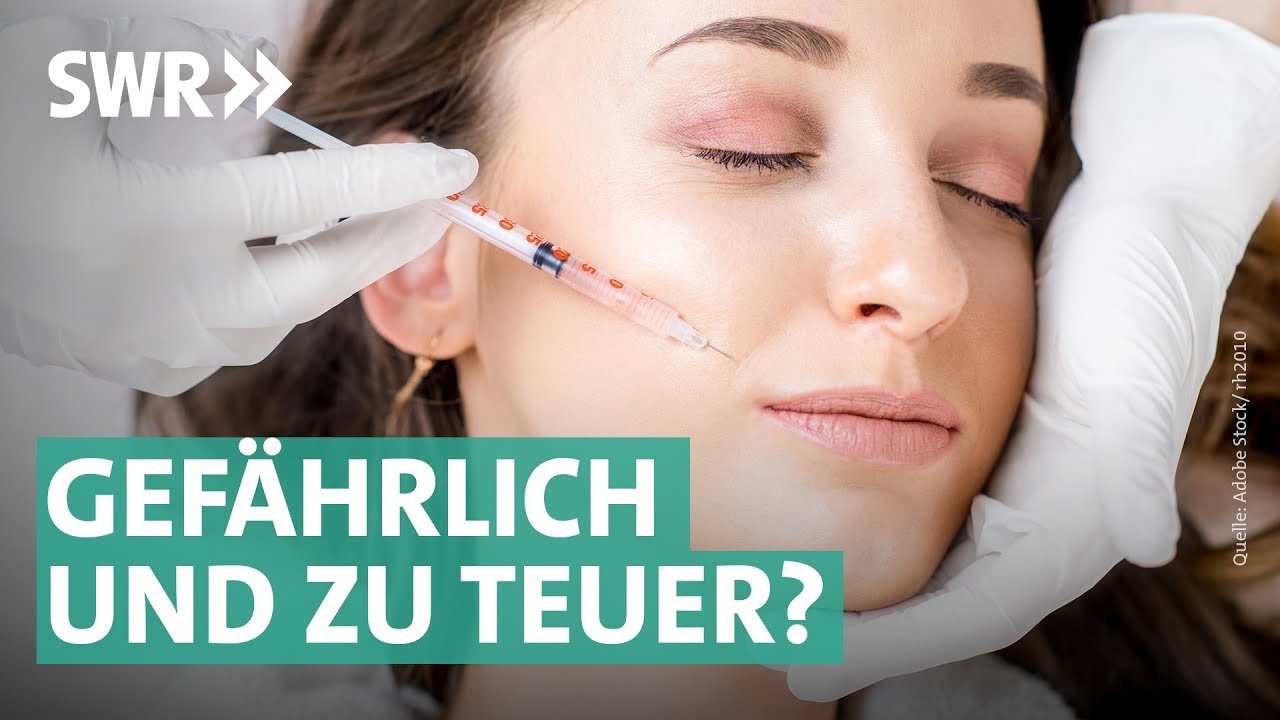
The botox injection process itself is quick. Tiny needles deposit small amounts into the target muscles. Most people describe the pain level as a quick pinch with mild stinging. Topical numbing is rarely necessary for facial botox, though it can be used for comfort. A standard preventative session for the glabella, forehead, and crow’s feet often takes 10 to 20 minutes.
Expect a few pinprick marks that settle within an hour or Click for more info two. Small bumps can appear briefly as saline disperses. Makeup can usually be applied the same day, though I prefer patients wait a couple of hours and keep pressure light. You can return to work immediately. That near-zero botox downtime is one of the reasons it remains the backbone of anti wrinkle botox programs.
Units, price, and value
Botox cost varies by market, injector experience, and whether the clinic charges per unit or per area. In large cities, per-unit botox price often ranges from 10 to 20 dollars. Preventative dosing by area is typically lower than corrective dosing. For example, a light forehead plan might be 6 to 10 units, the glabella 8 to 16, and crow’s feet 6 to 12 per side. Totals can land anywhere from 20 to 40 units for a subtle, first-time plan, adjusting based on your muscle strength and goals.
Be cautious with “affordable botox” pitches that promise too-good-to-be-true botox deals or botox specials. Price matters, but placement quality and sterile technique matter more. An experienced botox specialist will save you money long term by using the right product, the right botox units, in the right grid. Natural looking botox comes from restraint and precision, not volume.
Safety profile and real risks
Botox safety is well established when performed by trained professionals using FDA-approved products. Still, botox risks exist, and you deserve a clear view:
- Bruising, swelling, and tenderness at injection sites are common and short-lived. Headache can follow glabellar or forehead treatment, usually mild and self-limited. Eyelid or eyebrow ptosis can happen if product diffuses or is placed too low relative to anatomy. It is temporary, often resolving in 2 to 6 weeks, and less likely with thoughtful dosing and careful aftercare. Asymmetry can occur, particularly if one side of your face is naturally stronger. Touch-ups at two weeks can refine balance. Very rarely, allergic reactions or diffuse weakness occur. Your provider will review red flags and what to do.
Counterfeit or diluted product is a real concern in unregulated settings. Choose a trusted botox clinic that sources directly from the manufacturer, stores product under correct refrigeration, and does not hesitate to discuss lot numbers. If you are seeking botox for aging skin, this is medical care. Treat it like any procedure by a licensed professional.
Evidence and expectations
Botox effectiveness for dynamic wrinkles has decades of clinical data behind it. Studies show significant improvement in frown lines, forehead lines, and crow’s feet, with high patient satisfaction and repeat botox treatments common due to predictable results. While less studied as a formal “preventative” protocol in very young patients, the biological mechanism is straightforward. Reduce repetitive movement, reduce the rate at which motion-driven lines etch into skin.
Results are not instant. Give it two full weeks before judging, since different muscle groups ramp down at slightly different speeds. If you are new to botox for fine lines and the change feels too subtle at first, remember that subtle is the point for prevention. We can add a small touch up if you want more smoothing. Overshooting into a flat forehead is easy; achieving subtle botox that preserves expression takes intention.
How long does botox last, and what maintenance looks like
For most, botox longevity sits around 3 to 4 months. Athletes with high metabolism, people with very strong muscle mass in the face, or those who chew gum constantly may sit closer to the 8 to 12 week mark. If you are using baby botox style dosing, you may need a slightly tighter interval early on.
Maintenance is where strategy matters:
- Early year: Plan three to four sessions to establish your baseline. Mid-course: If lines are minimal at rest, you may push to every four months or reduce units in low-motion zones. Long term: Seasonal adjustments help. For sunny months with more squinting, keep crow’s feet a bit more active but controlled. For dry winter air, consider supporting skin with hydration and retinol so the softened motion gets help from better dermal quality.
Skincare influences maintenance. Topical retinoids, vitamin C, daily sunscreen, and adequate protein intake build a stronger skin barrier and collagen matrix. Less fragile skin tolerates motion better, which means your preventative botox can stay lighter and still perform.
Choosing the right provider
Credentials and hands-on aesthetic judgment matter more than social media follower counts. A certified botox injector with deep facial anatomy training adjusts plans based on brow position, forehead height, and the relationship between the frontalis and depressor muscles. The best botox outcomes come from balancing those muscle pairs so your brows sit where you like them, your eyelids feel open, and your expressions remain you.
During a botox consultation, ask how the provider decides on dosing, what brands they use, and how they handle asymmetry. Request to see botox before and after photos of patients with your brow shape and age range. Pay attention to whether results look calm and natural, or identical across faces. Top rated botox injectors pride themselves on nuance. A trusted botox provider will also tell you when botox is not the answer and will steer you toward alternatives, including energy devices, peels, or lifestyle shifts.
What not to do after injections
You will leave with a short list of aftercare pointers. They exist to prevent unwanted diffusion of product and to reduce bruising. Keep your head upright for several hours after treatment. Skip strenuous workouts and inversions for the rest of the day. Avoid rubbing or massaging injection sites, including facial tools or aggressive cleansing that night. Skip blood thinners if safe to do so, based on physician guidance. And do not book a facial, sauna, or steam room immediately after. Give your botulinum toxin injections a calm, unpressured environment to settle.
When preventative botox is not ideal
There are edge cases where I suggest waiting or skipping:
- Very thin, already low-set brows. Over-relaxing the frontalis could drop the brow and crowd the lids. We either avoid the forehead or use microdoses and lift with targeted glabellar work. Untreated severe dry eye or frequent eye irritation. You need your blink mechanics fully intact. Crow’s feet dosing should be careful and minimal until symptoms are controlled. Pregnancy or breastfeeding. We pause botox as a safety standard. Unrealistic expectations. Botox is a motion modulator, not a texture eraser. Acne scarring, etched smokers’ lines, and photodamage need complementary treatments.
I also screen for mood and body image concerns. If Ashburn VA botox a patient seeks “perfection,” it is our job to reset expectations and keep treatments in a healthy range.
The feel of a well-executed plan
A month into a safe botox treatment, patients often describe a feeling of ease. You can still frown, but you have to try. Your forehead rises, but it takes a bigger emotional cue. Lines that used to linger after a long commute now fade within minutes. Under bright sun, crow’s feet soften without eliminating that crinkle that makes a smile feel genuine. Friends might note you look rested rather than “treated.” That is natural looking botox working with your expressions, not against them.
When we review botox results at the two-week check, we use consistent lighting and identical angles to assess change. If we missed by a few millimeters, a tiny adjustment can correct it. Over time you will learn how your face likes to be dosed: maybe a whisper in the forehead, a firm hand between the brows, and a modest touch by the eyes. That pattern becomes your maintenance recipe.
Cost planning and avoiding surprises
Budgeting for preventative botox means calculating both unit counts and visit frequency. If your plan uses 24 to 36 units every three to four months at 12 to 16 dollars per unit, your annual spend may fall in the 1,000 to 2,000 dollar range, depending on geography and dosing. Spas may advertise packages or memberships that spread cost across the year. Packages can make sense if they do not lock you into rigid areas that you do not need. Flexible, pay-per-unit models put you in control and reward efficient dosing.
If a clinic pushes high unit recommendations without clear rationale, ask for a breakdown by area and the intended effect. Preventative dosing should feel conservative. Track your own response. If you consistently feel heavy or flat, request fewer units or slightly different placement at your next botox appointment.
Integrating preventative botox with broader skin strategy
Botox for expression lines solves only part of aging. Skin texture, tone, and volume change with time. If you want the most from your investment, pair botox maintenance with simple, evidence-based habits:
- Daily broad-spectrum sunscreen, SPF 30 or higher, every morning, reapplying outdoors. Most crow’s feet are as much sun stories as smile stories. Nightly retinoid, adjusted to your tolerance. It speeds cell turnover and boosts collagen. Thoughtful hydration, both topical humectants and enough water. Dehydration turns fine lines into sharp creases. Protein and micronutrients to support collagen synthesis, plus sleep that lets repair mechanisms do their job.
This approach makes your botox wrinkle reduction look better and last longer. Patients who take care of their skin need less aggressive dosing to look refreshed.
A note on brands and product choice
Botulinum toxin comes in several cosmetic formulations approved for facial lines. Each has a slightly different protein structure, diffusion profile, and unit scale. Experienced injectors select based on your goals and history. If you once felt “heavy” with one brand, another might deliver a lighter, more precise feel at the same clinical effect. There is no single best botox product, only the best choice for your face that day.
What repeat treatments look like over years
Long-term patients often comment that maintenance becomes easier. The muscle learns a quieter baseline. Some can stretch to every four to five months for touch-ups, especially if they are not in performance or on-camera roles that demand very consistent looks. Others, such as fitness instructors or outdoor workers who squint more, prefer a tighter schedule. Your interval is personal. Build around your calendar. For example, plan a session 3 to 4 weeks before major events so you hit peak effect but retain time for small refinements.
Should you stop at some point? If you decide to pause, your face does not “rebound” into worse lines. It simply returns to its baseline motion over a few months. The years you spent with less folding are still in the bank.
The first-time experience: what I tell new patients
I set three expectations before we start:
- We are prioritizing subtlety. The first session will be deliberately conservative, and we can add at the follow-up if needed. Two weeks is the honest assessment point. Patience here prevents overcorrection. Small fluctuations are normal. Sleep, stress, and hormones can affect how you perceive your results. We aim for a comfortable range, not a rigid mask.
Photographs help. So does noting how makeup sits in your creases or how your forehead feels by day’s end. These subjective cues guide refinements better than mirror glances alone.
Final take
Preventative botox is not about chasing youth. It is a practical way to slow one specific form of aging, the kind written by expression. When done by a skilled hand, with carefully chosen botox units and a plan tailored to your anatomy, it buys you time without sacrificing your face’s vocabulary. Start when lines begin to whisper at rest, or when your expressions feel stronger than you want. Work with a provider who will say no when needed, yes when appropriate, and always protect a natural result.
If you decide to proceed, book a consult with a qualified, trusted botox provider. Bring your questions about botox price, dosing, and botox risks. Ask to see relevant botox before and after images. Expect a conversation about goals, a measured plan, and crisp follow-through. With that foundation, preventative botox becomes less of a trend and more of a steady, low-drama part of taking care of your skin.